Leave Your Message
When it comes to getting the best performance out of gas engines, picking the right Spark Plug Ground is really key for keeping things running smoothly and reliably. At TECHIE Inc., we’re pretty passionate about ignition systems for stationary gas engines, and we totally get how important this choice is—especially for different applications, like those with GE Jenbacher, MWM, or CAT engines. With our deep experience, we cover over 95% of ignition solutions out there, so our customers can count on getting options that are just right to boost their engine’s performance. Choosing the correct Spark Plug Ground isn’t just about ignition; it also impacts the overall lifespan and how much maintenance your engine will need down the line. In this guide, we’ll walk you through some practical tips and things to consider so you can pick the perfect Spark Plug Ground for your specific engine needs. Plus, we’re here to support you with our all-in-one service for gas engine spare parts—making things a lot easier for you.
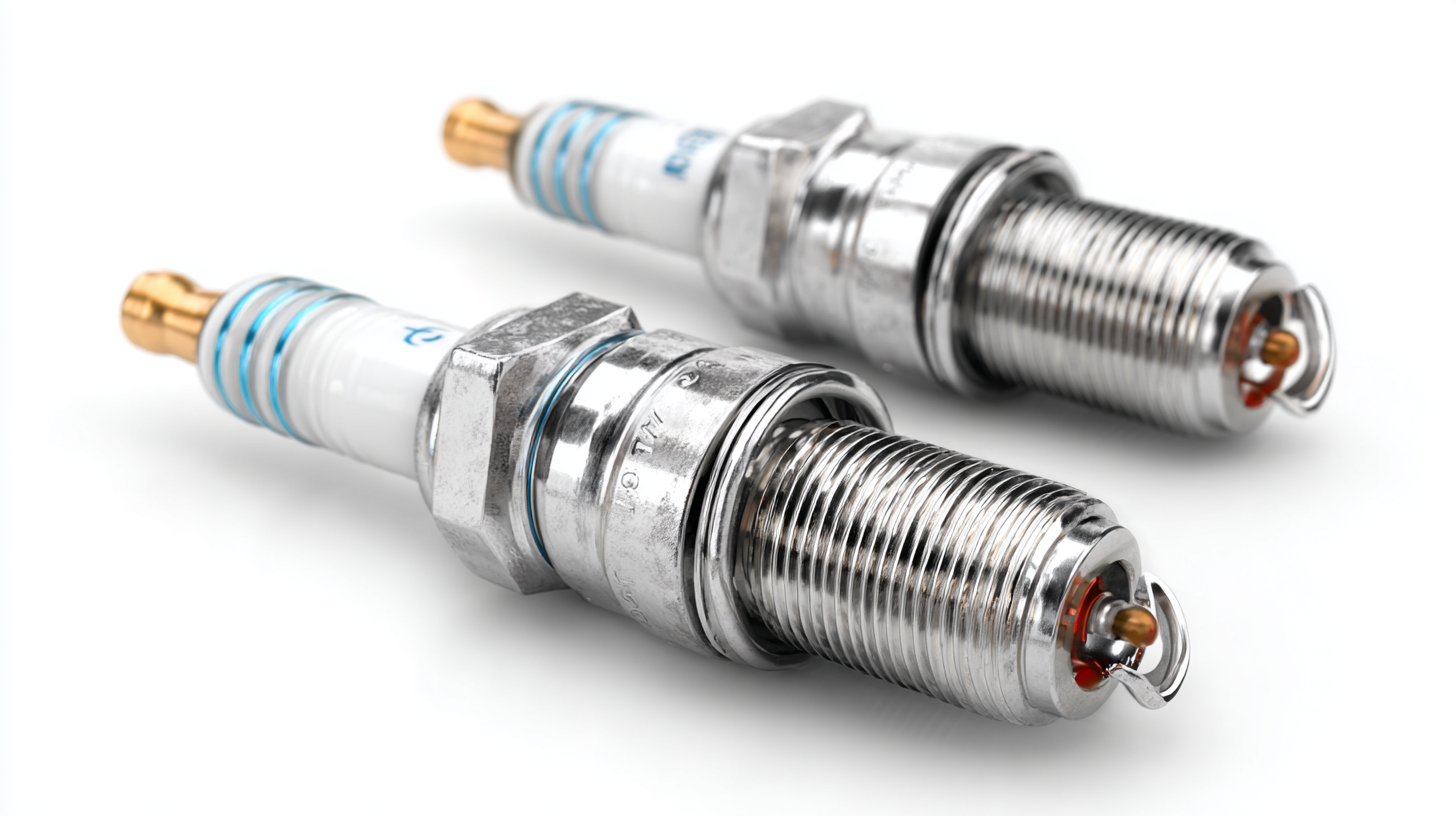
Picking out the right spark plug for your engine can feel a bit overwhelming at first, especially since there are so many types and specific functions to consider. But honestly, spark plugs are kinda like the heart of your engine—they’re super important for getting optimal combustion, which affects how well your car runs, how much fuel it uses, and even the emissions it puts out. Did you know the global market for spark plugs is expected to jump from around $1.82 billion in 2023 to about $2.18 billion by 2030? That just shows more and more folks are looking for better, more efficient spark plug tech. With a steady growth rate of about 2.6% per year, it’s pretty clear that the auto industry is seeing how crucial these small parts really are, especially when it comes to customizing spark plugs for different engines.
One thing that’s super important to keep in mind is the spark plug gap. It might sound technical, but trust me, it really influences how the flame spreads inside the cylinder and impacts performance overall. Basically, tweaking the gap can boost things like the pressure inside the cylinder, turbulence of the flame, how much heat gets released, and how much fuel gets burned. For instance, a slightly bigger gap often leads to better combustion, helping your engine produce more power and use fuel more efficiently. Getting a good handle on the relationship between spark plug types, gaps, and what your engine actually needs is key, whether you’re a gearhead trying to squeeze every bit of performance or just wanting your engine to run smooth and last longer.
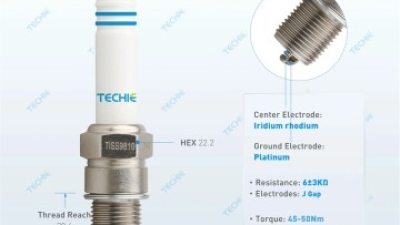
In the realm of gas generators, the significance of high-performance spark plugs cannot be overstated. Specifically, TECHIE high-performance spark plugs have been engineered to enhance the efficiency and reliability of stationary engines from leading brands such as CAT, Cummins, Guascor, Perkins, and Waukesha. According to industry reports, Spark Plug Performance can greatly influence the overall operational efficiency of gas generators, impacting fuel consumption and emissions. Using the right spark plug, like the TECHIE model that replaces Champion RB77WPCC-012, ensures optimal ignition and combustion, which are critical for maximum power output and minimal downtime.
The demand for reliable and efficient energy solutions continues to grow, with the global market for stationary gas generators projected to reach $7.5 billion by 2026, according to SparkPlug Insights. As generator technology evolves, so does the necessity for components that can withstand extreme conditions while delivering superior performance. TECHIE spark plugs are designed with advanced materials and technology that promote longevity and reduce the risk of failure, a crucial measure as industries face increasing operating pressures and regulatory demands.
Furthermore, assessments highlight that high-performance spark plugs can enhance engine response times and improve overall fuel efficiency by as much as 10%. This benefit translates into significant cost savings and reduced carbon footprints for companies reliant on gas generators. By investing in TECHIE high-performance spark plugs, businesses not only maximize the effectiveness of their gas generator systems but also contribute to a more sustainable operational model.
: Spark plugs are crucial for optimal combustion, impacting engine performance, fuel efficiency, and emissions.
The global spark plug market is projected to grow from $1.82 billion in 2023 to $2.18 billion by 2030.
The spark plug gap significantly influences flame kernel propagation and overall engine performance, with adjustments potentially enhancing combustion dynamics and efficiency.
For engines operating at high temperatures, spark plug grounds made of materials like platinum or iridium are recommended due to their superior durability.
Consider combustion chamber temperature, pressure, fuel type, ignition system, and the engine's specific performance needs when selecting a spark plug.
High-performance engines often benefit from a projected tip design, which can enhance ignitability and improve throttle response.
Yes, it's advisable to consult with engine specialists or refer to manufacturer recommendations to ensure proper alignment with your engine's tuning and performance goals.
Adjusting the spark plug gap can enhance maximum in-cylinder pressure, turbulent flame speed, heat release rate, and the mass fraction burned, leading to better combustion dynamics.
Different engines have varying requirements based on their design and intended use; assessing these needs helps narrow down the best spark plug options for optimal performance.
The CAGR for the spark plug market is 2.6%, indicating a rising demand for advanced spark plug technologies in the automotive industry.
Picking the right spark plug ground is super important if you want your engine to run smoothly, especially with stationary gas engines. Honestly, the first step is to get familiar with the different types of spark plugs out there and what they do. Then, you wanna look into stuff like your engine type and what kind of performance you need — that’ll help you decide which spark plug ground is best. Knowing what your engine actually needs makes a big difference in boosting both efficiency and reliability.
Also, don’t forget to compare different materials for the spark plug ground. Some materials last longer or work better than others, so it’s worth checking out what's available. And hey, a few installation tips can really help you get the most out of your setup. When you put all these pieces together, TECHIE Inc. aims to give you a solid understanding of spark plug grounds, which can really make your gas engines — like GE Jenbacher, MWM, and CAT — run more smoothly and efficiently.


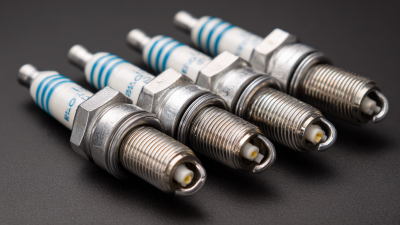
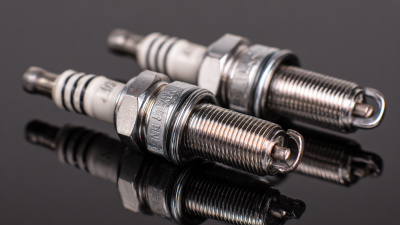


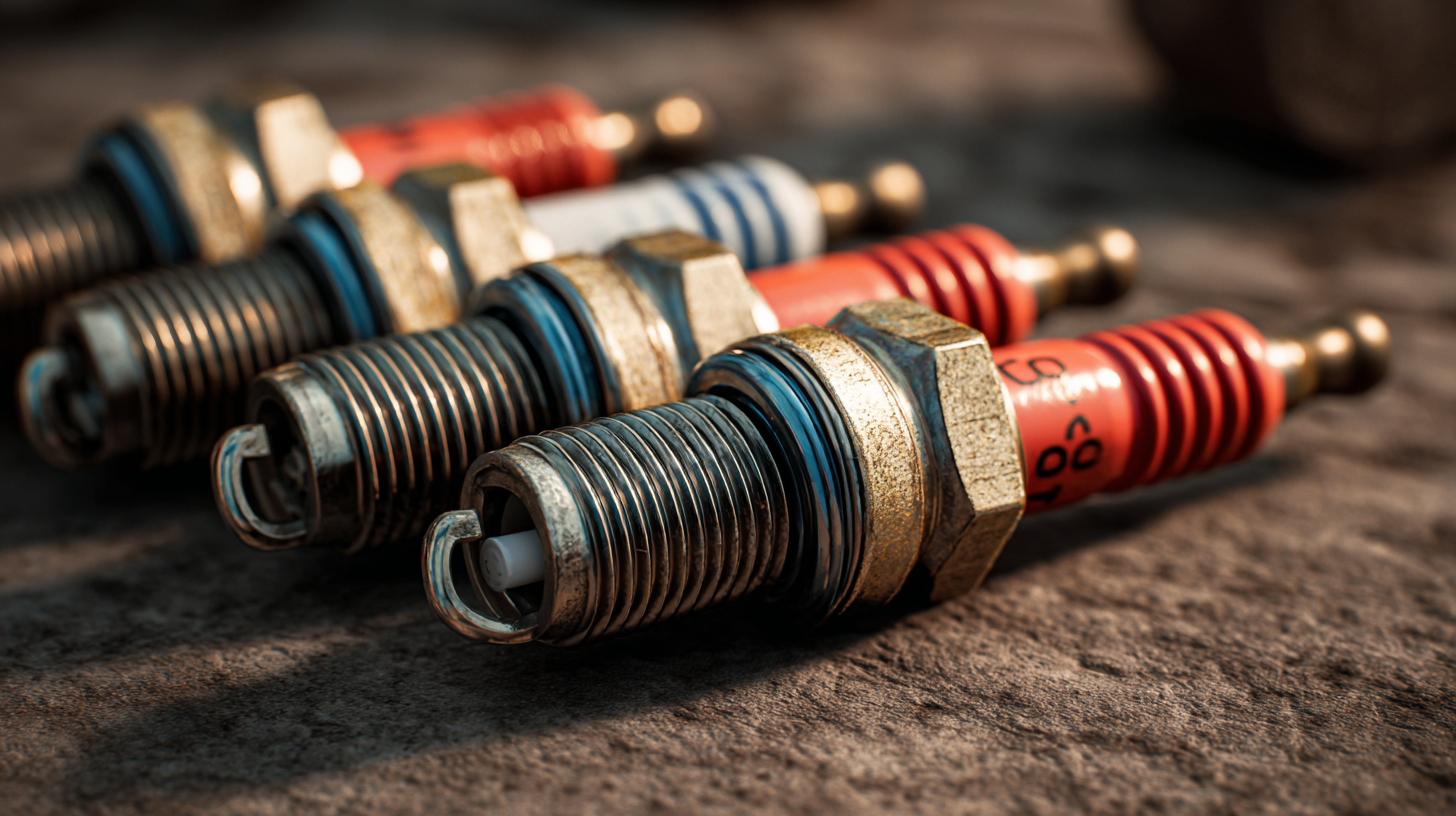
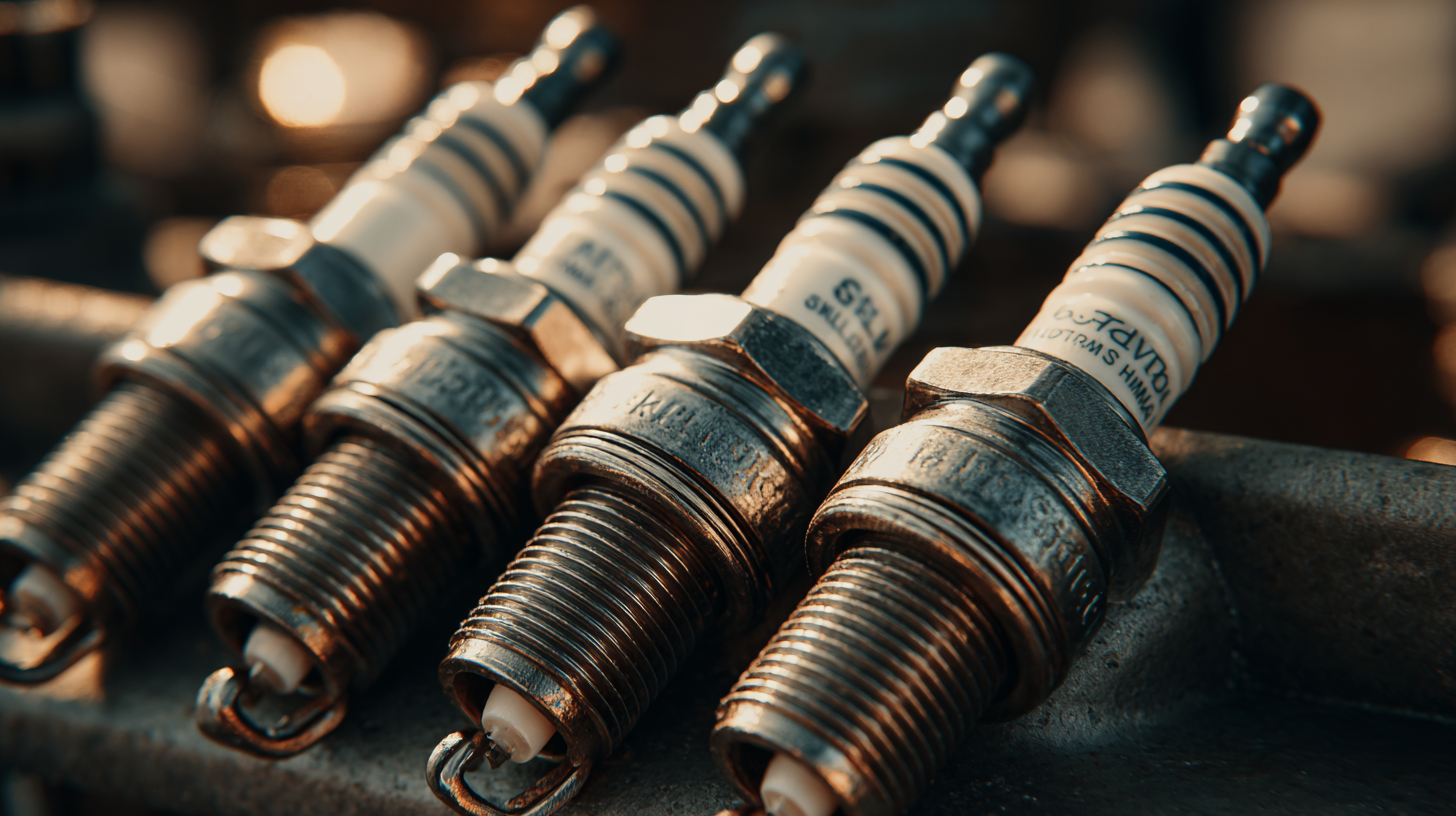 When you're installing spark plugs, making sure they have a good ground connection is super important for your engine’s performance and reliability. First off, double-check that you're using the right type of spark plug for your engine — pay special attention to things like the gap size and heat range. Using the wrong ones can cause overheating or misfires, and nobody wants that. Also, be careful with how tight you screw it in; if you go overboard and tighten too much, you might damage the plug or the cylinder head. On the flip side, not tightening enough can lead to poor grounding and weird running issues.