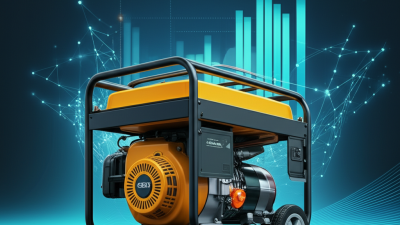
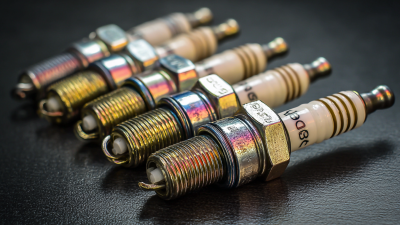
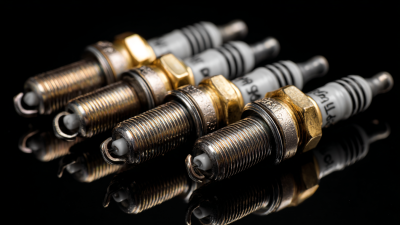
When you're aiming for the best possible engine performance, picking the right spark plugs—especially high-performance ones—is pretty important. This is especially true for stationary gas engines where reliable ignition can really make a difference, not just in keeping things running smoothly but also in cutting down costs. You know, industry stats show that using top-quality spark plugs can boost engine efficiency by as much as 10%. That may not sound huge, but it can lead to noticeable improvements in fuel savings and lower emissions. Here at TECHIE Inc., we’ve got your back with ignition systems specifically designed for stationary gas engines. We cover over 95% of the popular models out there—like GE Jenbacher, MWM, and CAT—so whatever you’ve got, we probably have a solution for it. We focus on cutting-edge ignition tech and offer a hassle-free, one-stop shop for all your gas engine parts. This way, you’re not just getting better performance; you're also extending your engine’s lifespan. Plus, choosing the right spark plugs isn’t just about performance—it's a key part of meeting those strict emissions standards. So, yeah, picking the right ones really matters in today’s competitive scene.
Understanding the Importance of Spark Plugs in Engine Performance
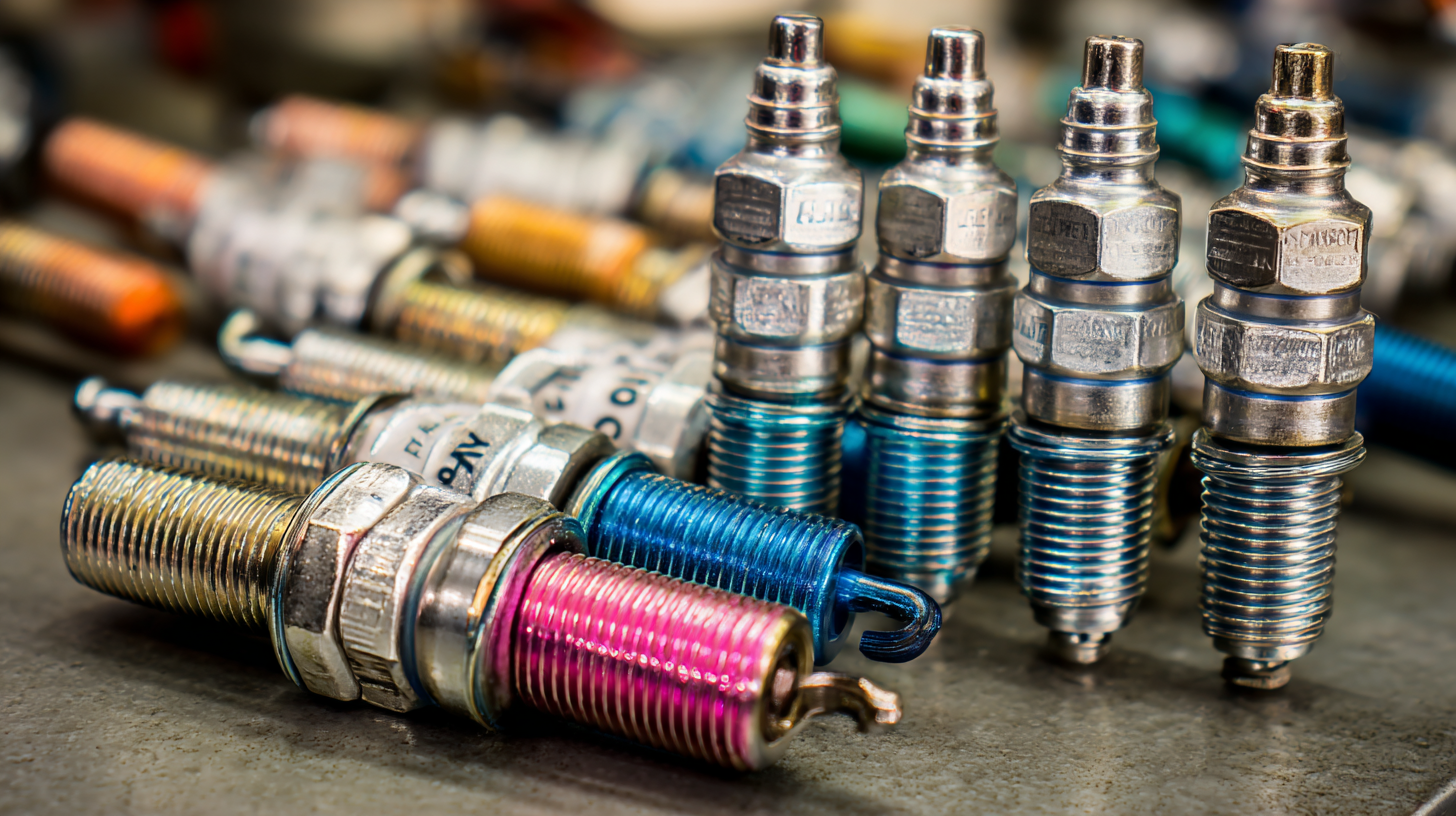
Getting a handle on how important spark plugs are for your engine’s performance is pretty key if you want to squeeze out max efficiency and keep things running smoothly. These little guys are responsible for sparking the air-fuel mixture inside your engine cylinders—basically, they’re the ignition that gets everything fired up. A good quality spark plug can totally make a difference, helping your engine burn fuel more efficiently, cutting down on emissions, and making your engine respond better overall. When you're picking a spark plug, you wanna consider things like how hot it runs, what kind of electrode material it’s made from, and the design—it all plays a big role in how your engine performs.
Tips? When you're choosing spark plugs, always double-check your engine’s specs from the manufacturer—using the right ones is super important. Also, going for spark plugs with fancy materials like iridium or platinum can mean they last longer and work better. Don’t forget to regularly check and replace your spark plugs; it’s a simple step that can prevent misfires and keep your fuel economy on point.
For companies like TECHIE Inc., who focus on ignition systems for stationary gas engines, really understanding spark plug tech isn’t optional—it’s essential. With coverage for more than 95% of different gas engines, TECHIE offers solid solutions to help you get the most out of your equipment. By adding the latest spark plug tech into your ignition setup, you’ll see real gains in efficiency and dependability, which is pretty awesome for your engines in the long run.
Key Features to Look for in High Performance Spark Plugs
So, when you're trying to pick out high-Performance Spark Plugs to get your engine running at its best, there are a few key things you should keep in mind. First off, the material the plug is made of really matters. You’ll see options like copper, platinum, and iridium, and honestly, iridium is pretty awesome because it lasts longer and handles heat better. The design of the electrode also makes a difference—stuff like fine wires or multiple ground electrodes can give you a stronger, more reliable spark, which helps your engine breathe a bit better and run smoother.
Another thing not to overlook is the spark plug's heat range. Picking the right heat range is all about matching it to your engine’s temperature so you avoid problems like pre-ignition or fouling—that's when the plug gets dirty or too hot. Oh, and don’t forget about the gap! Getting that just right means your spark will be stronger, helping the fuel burn completely and giving you more power.
Finally, it’s smart to check if the spark plug is compatible with your particular engine and how you drive. Some plugs are better suited for performance, while others focus on saving fuel. If you understand these little details, you’ll see a noticeable boost in your car’s overall performance and efficiency. Trust me, it’s worth paying attention to!
Comparison of Different Spark Plug Materials and Their Benefits
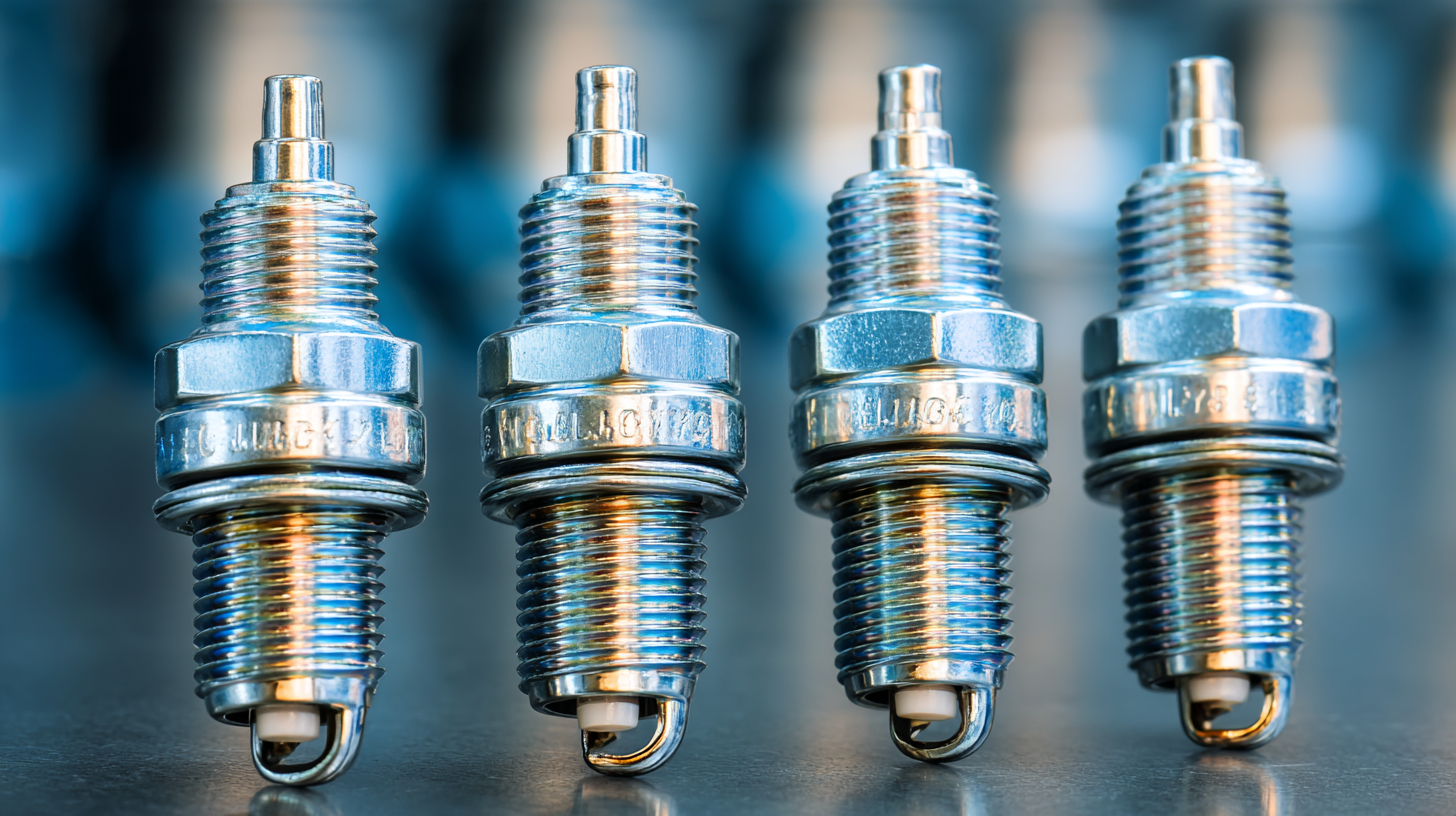
When you're choosing high-performance spark plugs, the material they’re made from really makes a difference in how well your engine runs. You’ve probably heard of copper, platinum, and iridium — these are the usual suspects. Copper spark plugs are known for their great conductivity, and they’re usually the go-to because they’re pretty affordable and get the job done reliably in regular engines. I remember reading that, according to a study by the Society of Automotive Engineers, copper plugs work well within a temperature range of about 1000°F to 1200°F — which makes them perfect for everyday vehicles that don’t need anything too fancy.
Now, if you’re into high-performance cars or just want something that lasts longer, platinum and iridium spark plugs are the way to go. Platinum plugs can last like, up to 100,000 miles and handle pretty hot and pressurized conditions without breaking a sweat. Iridium, on the other hand, is kind of the superstar here — it’s super tough under extreme conditions and offers more reliable ignition. Plus, it can go up to around 120,000 miles before needing a replacement. I’ve also come across a report from the Automotive Components Manufacturers Association that says iridium plugs can boost fuel efficiency by about 10% compared to good old copper ones, which is pretty significant when you think about saving some cash at the pump. So, really, investing in iridium could be a smart move if you want peak engine performance and longevity.
Selecting the Right Heat Range for Optimal Engine Efficiency
When you're picking high-performance spark plugs, it's really important to get the right heat range. Honestly, understanding this can make a huge difference in how well your engine runs. Spark plugs are designed to work best within a certain heat range—that’s basically the sweet spot where they can ignite that air-fuel mix efficiently without causing problems like pre-ignition or fouling. According to a report from the Society of Automotive Engineers (SAE), choosing the wrong heat range can cause some serious issues—like more engine wear and even knocking fuel efficiency by up to 15%. Not great, right?
If you go for a plug that runs too hot, you risk pre-ignition, which can lead to incomplete combustion and, worse, damage your engine. On the flip side, if the spark plug is too cold, it tends to collect carbon deposits, and that’s not doing your performance any favors either. The American Society of Mechanical Engineers (ASME) has found that nailing the right heat range isn’t just about horsepower—it’s also about making sure your engine stays healthy in the long run. For most high-performance setups, going with plugs that run just a bit cooler than the stock ones can give you better throttle response and overall power, without sacrificing reliability.
To figure out exactly what’s best for your car and how you drive, make sure to check out the manufacturer’s specs and think about any mods or driving conditions you have. If you’re into racing or really pushing your engine, you might even want to consider upgraded ignition systems or racing spark plugs with tighter tolerances and better cooling. Taking the time to choose the right heat range is worth it—it can give you noticeable improvements in efficiency, responsiveness, and engine performance right away.
How to Choose High Performance Spark Plugs for Maximum Engine Efficiency
This chart illustrates the engine efficiency percentage associated with different heat ranges of spark plugs. Proper heat range selection can optimize engine performance and fuel efficiency.
How to Properly Install and Maintain Spark Plugs for Longevity
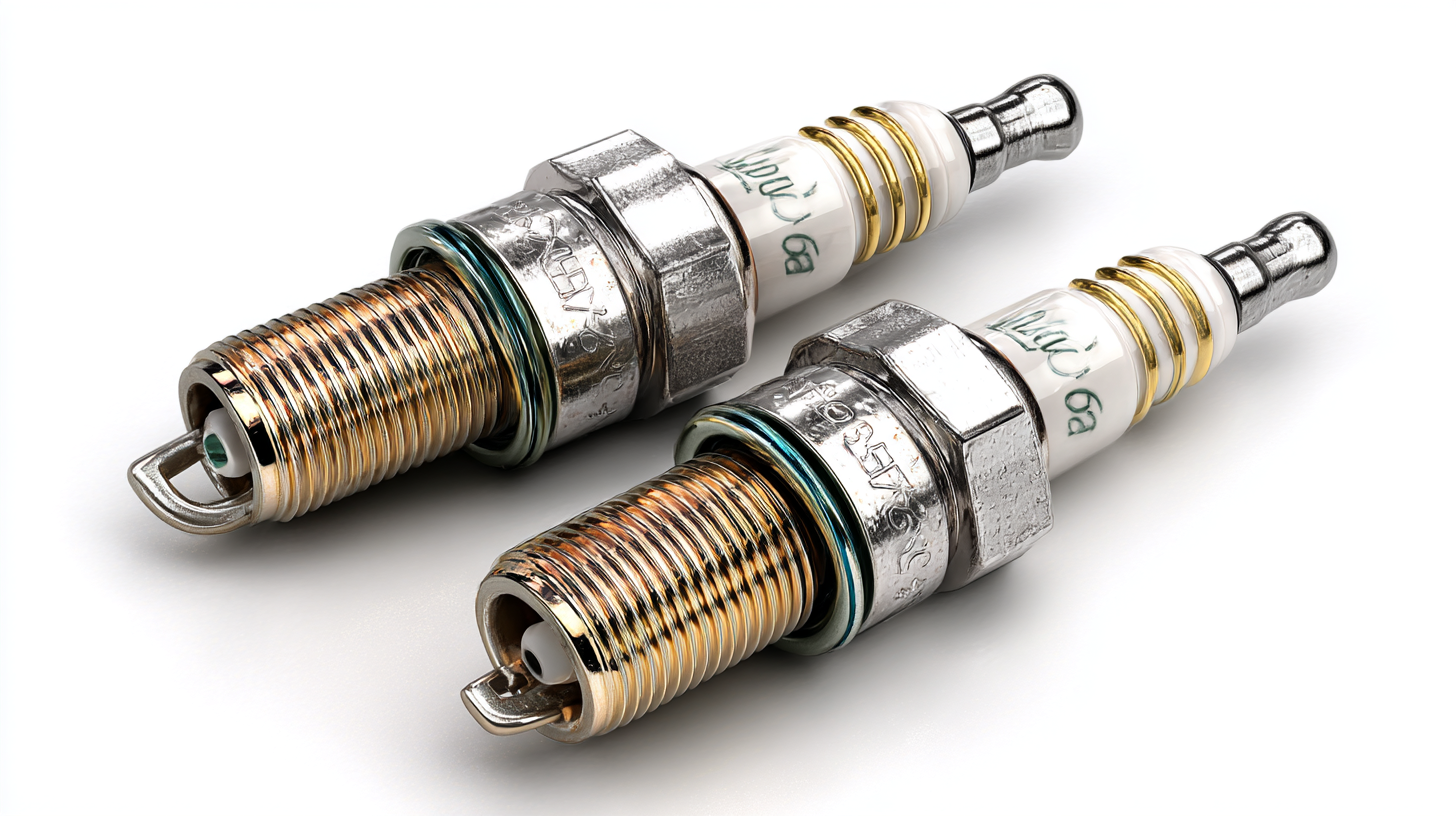 Getting your spark plugs installed and maintained properly is really key if you want your engine to run smoothly and last longer. Funny enough, studies show that most spark plugs should be replaced somewhere between 30,000 and 100,000 miles—though it really depends on the type and material. For example, Iridium And Platinum Plugs usually last a lot longer and work more efficiently compared to those old-school copper ones. It’s a good idea to check your plugs regularly too; catching issues early can save you a bunch of trouble, like poor fuel economy or even excess emissions. Keeping your spark plugs in good shape is pretty much essential for your vehicle’s health.
Here's a tip: always double-check that your spark plugs are correctly gapped before you screw them in. Using a feeler gauge can help you get that perfect gap as specified by your manufacturer, which means your engine will fire up a lot more reliably. Also, popping a tiny bit of anti-seize lubricant on the threads before installing can save you headaches later on—it prevents damage and makes future removals a breeze.
On top of that, don’t forget to keep an eye out for signs of wear, like carbon buildup or worn-down electrodes. Replacing your plugs when needed isn’t just about performance; it also helps avoid surprises like that engine warning light popping up. Ignoring these little things can lead to expensive repairs down the road, but with routine spark plug care, your engine stays happier and more efficient—simple as that.
Common Mistakes to Avoid When Choosing Spark Plugs for Performance
When you're picking out high-performance spark plugs, it’s pretty easy to make some common mistakes—like overlooking important specs such as reach and heat range. The reach basically refers to how far the plug extends into the combustion chamber, and that can really impact ignition efficiency and how well your engine runs. On the other hand, the heat range is about how well the spark plug can get rid of heat—getting this wrong can cause pre-ignition or fouling, leading to some serious problems. Honestly, the best thing you can do is check your engine’s specs so you don’t end up making a costly mistake that could mess with performance.
Another thing I see folks messing up often is assuming all spark plugs are interchangeable. Especially if you're upgrading or tinkering with engines like the GEN-3 HEMI—this one has quite a long history, so knowing what sort of plug it needs is pretty important. Using the wrong plugs for your setup might lead to misfires or inefficient combustion, and nobody wants that. If you're not totally sure which one to go with, it’s a smart idea to ask for guidance. By paying attention to these little details, you can really boost your engine’s efficiency and get the most out of it.
How to Choose High Performance Spark Plugs for Maximum Engine Efficiency - Common Mistakes to Avoid When Choosing Spark Plugs for Performance
| Dimension | Value | Common Mistakes |
| Heat Range | 5-7 | Choosing the wrong heat range for your engine type. |
| Electrode Material | Iridium or Platinum | Opting for standard copper plugs for high-performance applications. |
| Gap Size | 0.028-0.060 inches | Using incorrect gap sizes based on your fuel type. |
| Design Type | Multi-Spark | Ignoring the benefits of advanced designs for performance engines. |
| Longevity | 30,000-100,000 miles | Replacing plugs too frequently or too rarely. |
Optimal Performance with TECHIE Prechamber Spark Plug TISS9295 for MWM® Engine Models
The TECHIE Prechamber Spark Plug TISS9295 is engineered for optimal performance in MWM® engine models, specifically designed to replace the original MWM® part number 12282365 for engines such as the TBG 632 and TCG 2032 A. This exceptional spark plug enhances ignition efficiency and overall engine responsiveness, making it a vital component for maintaining the performance standards demanded by these powerful engines.
With compatibility extending to various OE part numbers, including 1245-3574, 1228-2839, 1228-5124, and 1245-3558, the TISS9295 spark plug ensures seamless integration into the existing engine setup. Its innovative design not only facilitates easier installation but also maximizes combustion efficiency, leading to reduced emissions and improved fuel economy. By choosing the TECHIE Prechamber Spark Plug TISS9295, users can trust that they are investing in a high-quality product that delivers reliability and enhanced performance in their MWM® engines.
FAQS
: Spark plugs ignite the air-fuel mixture within the engine cylinders, which directly impacts power output and fuel consumption.
High-performance spark plugs can enhance combustion efficiency, reduce emissions, and improve overall engine responsiveness.
Factors to consider include heat range, electrode material, and design, as these can significantly affect performance.
Spark plugs typically need to be replaced approximately every 30,000 to 100,000 miles, depending on their type and material.
Iridium and platinum spark plugs are recommended because they tend to last longer and perform more efficiently than traditional copper ones.
It is essential to ensure that the spark plugs are correctly gapped before installation, using a feeler gauge to achieve the manufacturer's specified gap.
Regular inspection helps prevent issues that can lead to decreased fuel efficiency and increased emissions, maintaining vehicle health.
Maintaining spark plugs includes checking for signs of wear, such as carbon build-up or electrode erosion, and replacing them as needed.
Applying a small amount of anti-seize lubricant on the threads can prevent damage and make future removals easier.
Neglecting spark plug maintenance can lead to unexpected issues, such as the engine warning light illuminating, resulting in costly repairs that could have been prevented.
Conclusion
When it comes to getting the most out of your engine, picking the right high-performance spark plugs is pretty important. Knowing how crucial spark plugs are in the whole engine performance game really helps you make smarter choices. Some key things to keep in mind are what the spark plugs are made of and their heat range — these really impact how well your engine burns fuel and how long it lasts. To get the best results, you wanna choose spark plugs that fit your engine’s specific needs, whether it's a GE Jenbacher, MWM, or CAT.
Also, making sure you install and maintain them properly can do wonders for their lifespan and performance. Skipping steps or making common mistakes can lead to your engine running less efficiently or the spark plugs wearing out faster. If you pay attention to these details, then at TECHIE Inc., we’re all about making sure you not only get top-notch ignition parts but also the support you need for your gas engines, so everything runs smoothly and reliably.